
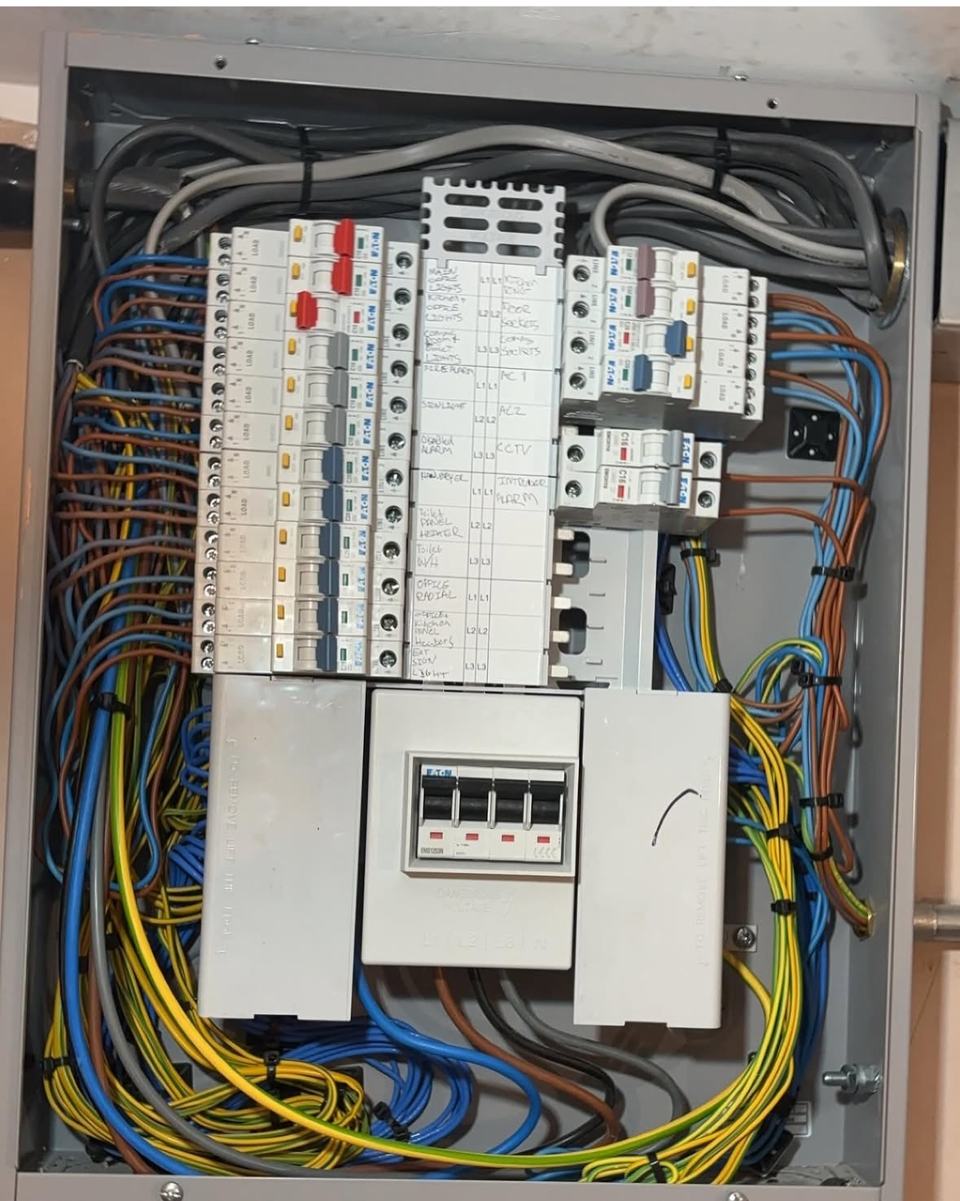
Fault diagnosis and repair
What electrical fault finding involves
Fault finding is the process of testing an electrical installation to identify why a circuit or accessory is not working correctly. It is useful when a fault is hidden, intermittent or cannot be solved safely by replacing an obvious component.
When to arrange an inspection
Common warning signs include an RCD or breaker that repeatedly trips, sockets or lights that stop working, flickering, unusual heat, buzzing, burning smells or a partial loss of power. Homeowners, landlords and businesses can all need fault investigation when a problem affects safety or normal use of the property.
Common problems investigated
- Circuits that trip when an appliance or fitting is used
- Intermittent lighting and socket faults
- Damaged wiring, switches, sockets or connections
- Electrical issues discovered during renovation or maintenance
Benefits of proper diagnosis
A structured investigation helps avoid guesswork, identifies the source of the problem and supports a clear repair plan. Once the cause is understood, the available repair options can be explained before further work proceeds.
Fault finding FAQs
Should I keep resetting a tripping circuit?
No. Repeated tripping indicates a problem that should be investigated, particularly if it happens immediately or is accompanied by heat, smoke or a burning smell.
Can an intermittent fault still be tested?
Yes, although intermittent faults can take longer to trace. Details about when the issue occurs and what was in use can help narrow the investigation.
What should I do if the electrics seem dangerous?
Keep away from the affected area and call directly. If there is fire, smoke or immediate danger, contact the appropriate emergency service or electricity network operator.